
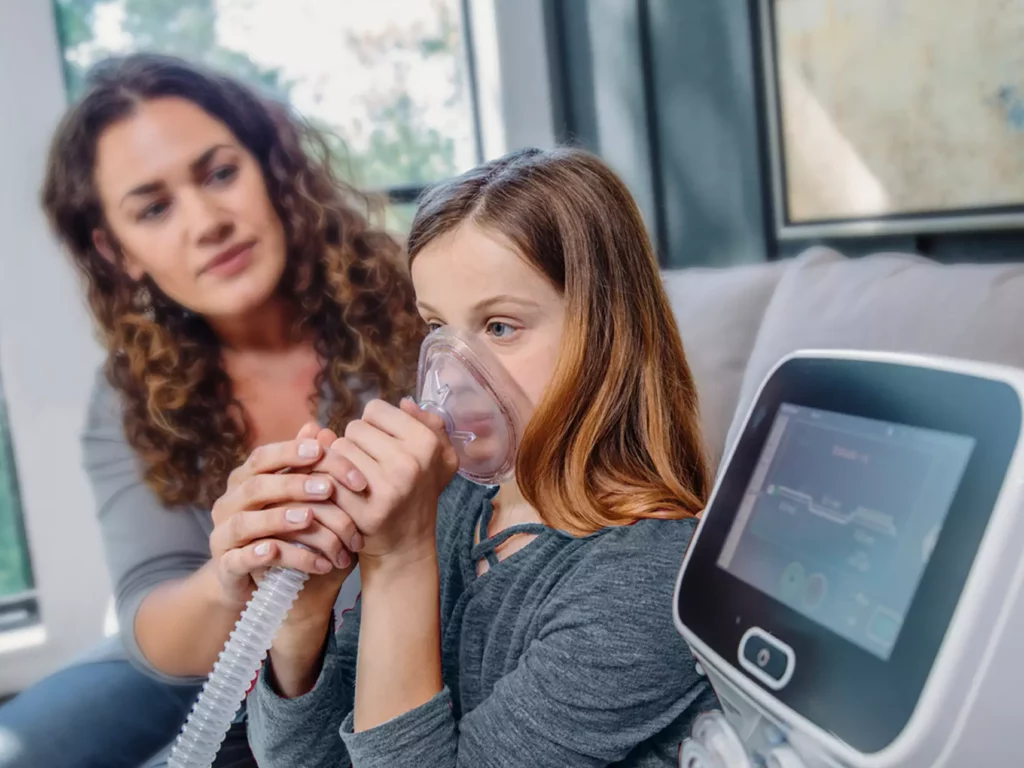
What is the Philips EverFlo oxygen concentrator?
The Philips EverFlo is a stationary home oxygen concentrator that produces oxygen from room air rather than using refillable cylinders. It is typically used for long-term oxygen therapy where a clinician has prescribed a continuous flow rate. It is not designed as a portable, on-the-go device, even though it can be moved around a home.
Who is the EverFlo best suited to?
It is best suited to someone who needs continuous oxygen at home and spends most of their time in one place, such as a living room or bedroom. The oxygen concentrator Philips EverFlo is often chosen by households that want a straightforward unit with minimal routine upkeep. It is less suitable for people who need oxygen outside the home for long periods because they would usually need a portable concentrator or cylinders as well.
What oxygen flow can the EverFlo provide?
Most EverFlo units are set up to deliver continuous flow oxygen within a typical home therapy range. The exact flow rate a patient can use is limited by their prescription and the machine’s maximum output. If a patient requires higher flow than the EverFlo can provide or needs specialised modes, their clinician and supplier should recommend a different concentrator.
How noisy is the EverFlo in real homes?
The EverFlo is generally considered quiet for a stationary concentrator. In a real home, the perceived noise depends on where it is placed and what surrounds it, such as hard floors that reflect sound or soft furnishings that absorb it. For light sleepers, positioning matters more than small differences in published noise figures.
How much power does it use, and what might that mean for bills?
A concentrator runs on mains electricity, so ongoing costs are tied to how many hours it operates each day and local electricity prices. The EverFlo is often described as energy efficient compared with older designs, which can help with long-term running costs. Even so, anyone using oxygen for many hours a day should expect a noticeable, ongoing electrical load.
How easy is it to set up and use day to day?
It is designed to be user-friendly, typically with a simple on/off control and a flow knob set to the prescribed rate. Patients still need training on safe use, including how to check tubing, keep vents clear, and recognise alarms. Many difficulties blamed on the machine are actually caused by kinks in tubing, poor placement, or incorrect flow settings.
What maintenance does the EverFlo require?
Maintenance is usually light for the user, but not zero. The exterior and intake areas should be kept clean and unobstructed, and any user-accessible filters should be checked and cleaned as advised by the supplier. Scheduled servicing is normally handled by the oxygen provider, and it is important they follow the service interval to keep oxygen purity and reliability where it should be.
What safety considerations should households take seriously?
Home oxygen changes everyday risk, mainly around fire. Oxygen itself is not flammable, but it accelerates combustion, so strict no smoking rules are essential, along with keeping oxygen away from open flames and heat sources. Households should also avoid oil-based creams near the cannula area unless a clinician has approved them, and they should ensure good ventilation and safe cable management to reduce trip hazards.
How does it compare with oxygen cylinders at home?
The biggest difference is supply logistics. A concentrator reduces dependence on deliveries and avoids running out due to an empty cylinder, but it depends on electricity, so a backup plan matters. Cylinders can be quiet and work during power cuts, yet they require storage space, careful handling, and regular refills.
Other Resources : Limitations of pulse oximeters and the effect of skin pigmentation
How does it compare with portable oxygen concentrators?
Portable concentrators are built for travel, but many deliver oxygen in pulse dose rather than continuous flow, and not everyone can use pulse dose effectively. The EverFlo is a home-based solution that is often more suitable for continuous oxygen at prescribed rates. Many people end up with both: a stationary unit for home use and a portable option for outings, depending on clinical need.
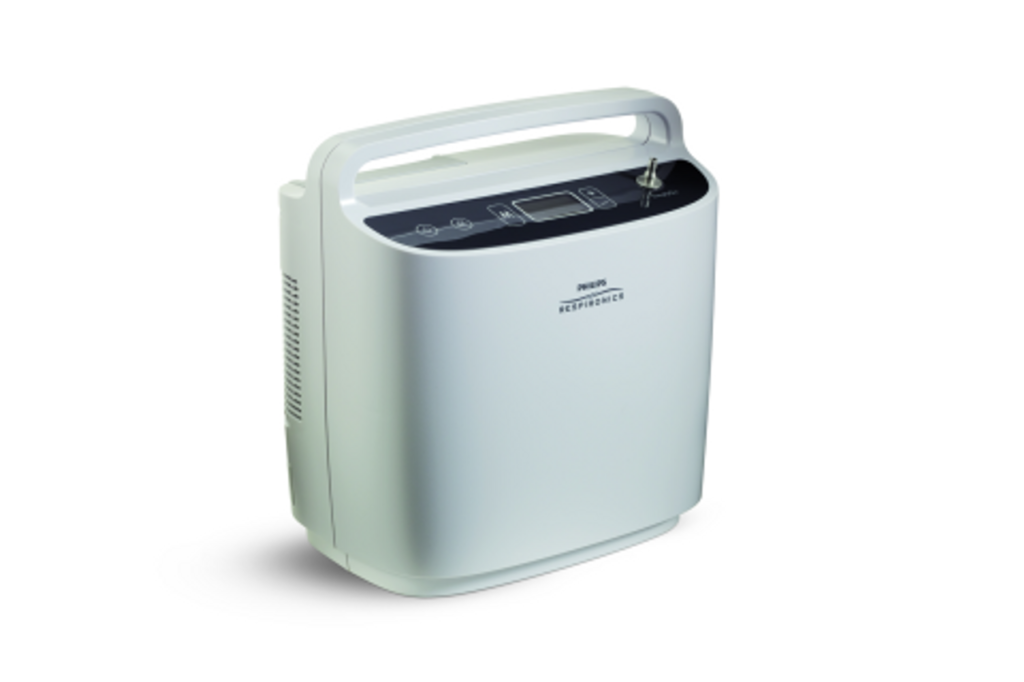
What should they check before choosing the EverFlo?
They should confirm the prescription requirements first, including flow rate, hours per day, and whether continuous flow is required during sleep. They should also check practicalities like space, ventilation, and proximity to a safe power outlet. Finally, they should ask the oxygen supplier what support is included, such as servicing, replacement, and guidance on backup oxygen during outages.
Is the Philips EverFlo the right home oxygen solution?
For many patients who need reliable continuous oxygen at home, the EverFlo can be a sensible, low-hassle choice. It tends to work best when the prescription fits its flow capability and the household can follow oxygen safety rules without compromise. If the patient’s life involves frequent time out of the house, higher flow needs, or complex therapy requirements, they will likely need a different setup or a combined approach.
More to Read : Home Oxygen Concentrator vs Oxygen Tank: Which Is Better for You?
FAQs (Frequently Asked Questions)
What is the Philips EverFlo oxygen concentrator and how does it work?
The Philips EverFlo is a stationary home oxygen concentrator designed to produce oxygen from room air, eliminating the need for refillable cylinders. It is intended for long-term oxygen therapy, delivering continuous flow oxygen at prescribed rates within a home setting.
Who is the Philips EverFlo best suited for in terms of oxygen therapy?
The EverFlo is ideal for patients requiring continuous oxygen therapy primarily at home, such as in a living room or bedroom. It suits those seeking a simple, low-maintenance unit, but is less appropriate for individuals needing portable oxygen solutions for extended periods outside the home.
What are the flow rate capabilities and limitations of the Philips EverFlo?
The EverFlo delivers continuous flow oxygen within typical home therapy ranges as per prescription. However, it has maximum output limits; patients needing higher flow rates or specialised delivery modes should consult their clinician and supplier for alternative concentrators better suited to their needs.
How noisy is the Philips EverFlo during everyday use in a home environment?
Generally considered quiet among stationary concentrators, the perceived noise of the EverFlo depends on placement and surrounding materials. Hard floors may reflect sound while soft furnishings absorb it. For light sleepers, careful positioning can mitigate disturbance more effectively than focusing on minor differences in noise specifications.
What are the power consumption and running costs associated with using the Philips EverFlo?
The EverFlo operates on mains electricity, so ongoing costs depend on daily usage hours and local electricity rates. It is energy efficient compared to older models, which helps reduce running costs. Nonetheless, users should expect a noticeable electrical load when using oxygen therapy for many hours each day.
What maintenance and safety precautions are necessary when using the Philips EverFlo at home?
Maintenance involves keeping exterior surfaces and intake areas clean and unobstructed, regularly checking user-accessible filters as advised by suppliers, and adhering to scheduled servicing by providers to ensure oxygen purity and reliability. Safety measures include enforcing strict no-smoking rules, avoiding open flames near oxygen sources, managing cables safely to prevent trips, ensuring good ventilation, and avoiding oil-based creams near cannula sites unless approved by clinicians.