
This guide compares the two in practical terms so they can choose what fits their routine, budget, and clinical needs.
What is a home oxygen concentrator, and how does it work?
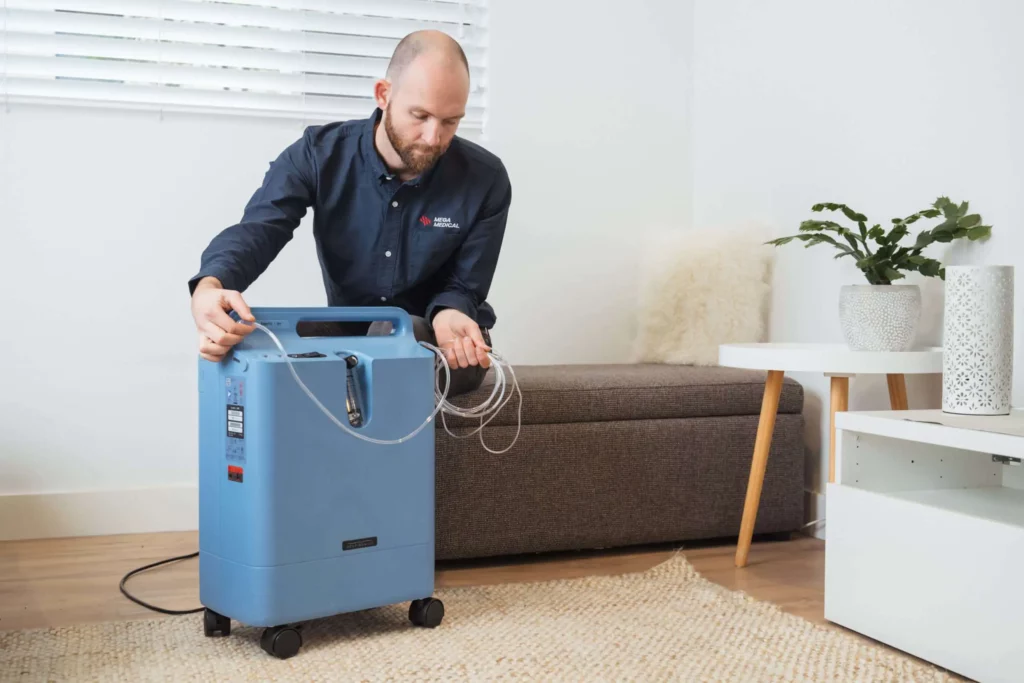
A home oxygen concentrator is a mains-powered machine that pulls in room air and filters out nitrogen to deliver oxygen-enriched air through tubing. It does not “run out” in the way a cylinder does because it makes oxygen continuously while it is switched on.
Most standard home units are designed for steady, daily use and work best when the person spends long periods in one place, such as a bedroom or living room.
What is an oxygen tank, and how does it work?
An oxygen tank (cylinder) stores oxygen under pressure (or as liquid oxygen, depending on the system) and releases it through a regulator. It provides oxygen until the supply in the cylinder is depleted; then it must be refilled or replaced.
Cylinders are often used for portability, short trips, back-up supply at home, or situations where power reliability is a concern.
Which option is easier to use day to day?
For many people at home, a concentrator is simpler because it is a “set and run” device. There is no scheduling of refills, no tracking remaining pressure, and no delivery coordination, which reduces day-to-day admin.
Tanks can be straightforward too, but they require more monitoring. Someone must check levels, store spares safely, and ensure replacements arrive before the supply runs out.
Which is more reliable if they need oxygen for many hours?
A concentrator is typically more reliable for long daily use because it does not depend on stored volume. If they need oxygen for many hours a day, it can be the most predictable option, assuming the device is maintained and there is a plan for power cuts.
Tanks are reliable in a different way. They do not require electricity to function, but they can be interrupted by an empty cylinder or delayed delivery.
Which is better for portability and leaving the house?
Tanks are often better for occasional outings because they can be carried and used anywhere. This makes them a practical choice for appointments, errands, or visiting family, especially if the trip length is predictable.
Home concentrators are not designed for portability. Some people pair a home concentrator with a separate portable oxygen concentrator, but that is a different device class with its own limits and costs.
How do oxygen flow needs affect the choice?
Their prescribed flow rate and delivery mode matter. Some people require continuous flow, while others use pulse-dose systems (often used with portable devices). Not every device supports every prescription, and not every person tolerates pulse-dose well.
If they need higher continuous flow for long periods, a standard home concentrator can be a strong fit. If they need flexibility for short bursts outside, cylinders can be easier to match to specific situations, as long as the regulator and cylinder size are chosen correctly.
What about noise, comfort, and sleep?
Home concentrators make a steady mechanical sound and produce warm air. Many people adjust to it, but light sleepers may find it disruptive unless the unit is placed thoughtfully and tubing length is managed safely.
Tanks are silent while delivering oxygen, which can be more comfortable at night. However, the practical drawback is the risk of running out if the cylinder is not adequately sized for overnight use.
Which is safer in the home?
Both are safe when used correctly, but the risks differ. Concentrators reduce the need to store large amounts of oxygen, which can lower certain hazards. They still increase fire risk around the user because oxygen-enriched environments ignite more easily, so strict no-smoking and fire-safety habits remain essential.
Tanks require careful storage and handling because they are pressurised. They must be secured upright (or stored safely according to guidance), kept away from heat sources, and protected from knocks that could damage valves. Check out more about Philips EverFlo Oxygen Concentrator: Is It the Right Home Oxygen Solution?
How do costs compare over time?
A concentrator typically has a higher upfront cost but lower ongoing costs because it does not require refills. The main recurring expenses are electricity and routine servicing, plus replacement consumables like filters or nasal cannulas.
Tanks can be cheaper initially, but ongoing costs can add up through refills, deliveries, rental fees, and the need for multiple cylinders to cover home use plus outings. Over months and years, frequent users often find tanks less economical.
What happens during a power cut?
Power cuts are a key weakness of a home concentrator. If electricity fails, the concentrator stops producing oxygen, so most households using a concentrator need a back-up plan, often a spare cylinder sized to cover the likely outage duration.
Tanks work normally during a power cut, which is one reason clinicians and suppliers often recommend keeping at least one cylinder available even if the main system is a concentrator.
How much maintenance do they require?
Concentrators need regular filter checks and cleaning, periodic servicing, and general care such as ensuring good airflow around the unit. If alarms sound or performance changes, they should contact the supplier promptly because the device may need inspection.
Tanks require less “mechanical” maintenance but more logistical attention. They need safe storage, correct regulator use, checking contents, and planning for refills before they become urgent.
Which is better for travel and holidays?
For short, local trips by car, tanks can be convenient because they do not rely on charging or power availability. The limitation is supply planning, since running out mid-trip is a real risk if the cylinder size is misjudged.
For longer travel, it becomes more complicated. They may need to arrange oxygen at the destination, check airline rules, and ensure equipment compatibility. In many cases, a home concentrator is not practical for travel, and cylinders may have transport restrictions, so they should plan with the oxygen supplier well in advance.
See Also : Home Respiratory Program (HRP) – Providing equipment for long term respiratory support
When is a concentrator usually the better choice?
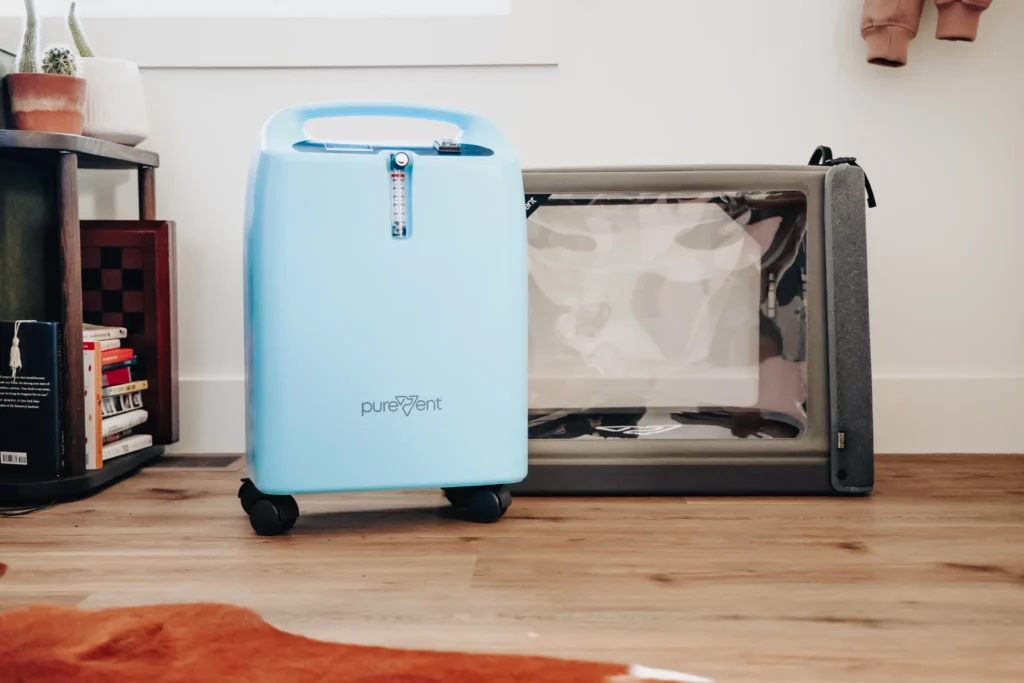
A home oxygen concentrator is usually better when they spend most of their time at home and need oxygen for many hours per day. It suits people who value a predictable supply and want to avoid the stress of frequent refills.
It is also a strong option when their home setup can accommodate it comfortably, and they have a clear back-up plan for power interruptions.
When are oxygen tanks usually the better choice?
Oxygen tanks are usually better when they need portability, silent operation, or oxygen during power outages without relying on battery systems. They can also work well for people who only use oxygen occasionally, where a concentrator might feel excessive.
They are often the simplest back-up even for concentrator users, provided storage and refill logistics are manageable.
How can they decide which is better for them?
They should start with their prescription and lifestyle, then work backwards. If they need long daily hours at home, a concentrator often makes life easier. If they prioritise leaving the house and want silent, power-free oxygen, tanks may be more practical, at least as a main or supplementary option.
The best choice is often a combination: a concentrator at home plus a cylinder for emergencies and short trips. They should confirm device suitability with their clinician or oxygen provider, especially around flow rate, continuous versus pulse delivery, and expected hours of use.
FAQs (Frequently Asked Questions)
What is a home oxygen concentrator and how does it function?
A home oxygen concentrator is a mains-powered device that draws in room air, filters out nitrogen, and delivers oxygen-enriched air continuously through tubing. Unlike oxygen tanks, it does not run out as long as it remains switched on and is ideal for steady, daily use in one place such as a bedroom or living room.
How do oxygen tanks work and when are they most suitable?
Oxygen tanks store pressurised oxygen or liquid oxygen and release it via a regulator until the supply depletes. They require refilling or replacement afterward. Tanks are particularly useful for portability during short trips, as backup supplies at home, or in situations where power reliability is uncertain.
Which option is easier to manage daily: a home oxygen concentrator or oxygen tanks?
Home oxygen concentrators are generally simpler for daily use since they operate continuously without the need for refills or pressure monitoring, reducing administrative tasks. Oxygen tanks require regular checking of levels, safe storage of spares, and timely replacement coordination, which involves more ongoing management.
What factors affect the choice between an oxygen concentrator and tanks based on oxygen flow needs?
The prescribed flow rate and delivery mode significantly influence device choice. Standard home concentrators suit higher continuous flow requirements over long periods, while tanks can be better matched to specific situations needing flexibility for short bursts outside, provided the regulator and cylinder size align with the prescription.
How do home oxygen concentrators and tanks compare regarding portability and travel?
Oxygen tanks are often preferable for occasional outings due to their portability and independence from electrical power. Home concentrators are not designed for mobility; some users may complement them with separate portable concentrators. For longer travels or flights, additional arrangements like destination oxygen provision and equipment compatibility checks are necessary.
What safety considerations should be kept in mind when using home oxygen concentrators versus oxygen tanks?
Both systems are safe when used correctly but have different risks. Concentrators reduce the need to store large amounts of oxygen but still increase fire risk due to enriched environments; strict no-smoking policies are essential. Tanks require careful handling: they must be secured upright, stored away from heat sources, protected from damage, and handled cautiously due to pressurisation.