
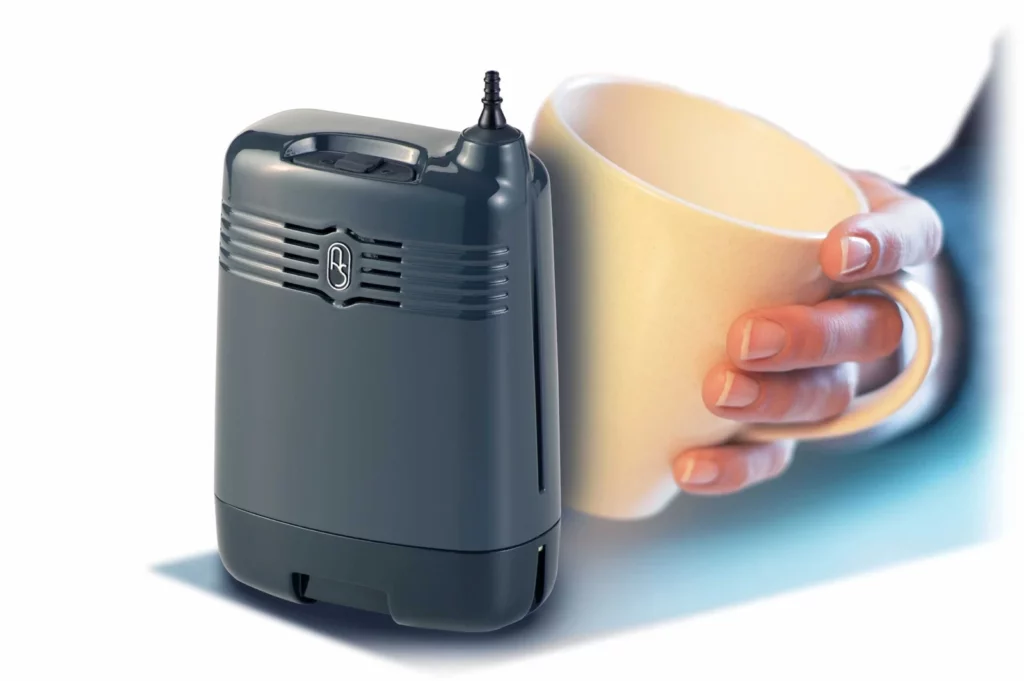
What Are the Different Types of Philips Oxygen Concentrators Available?
Philips manufactures two distinct categories of oxygen concentrators: stationary units designed for home use and portable devices built for mobility. Stationary concentrators remain in one location and typically deliver continuous oxygen flow, while portable models operate on batteries and offer pulse dose delivery for users on the move.
Philips EverFlo: The Home Stationary Solution
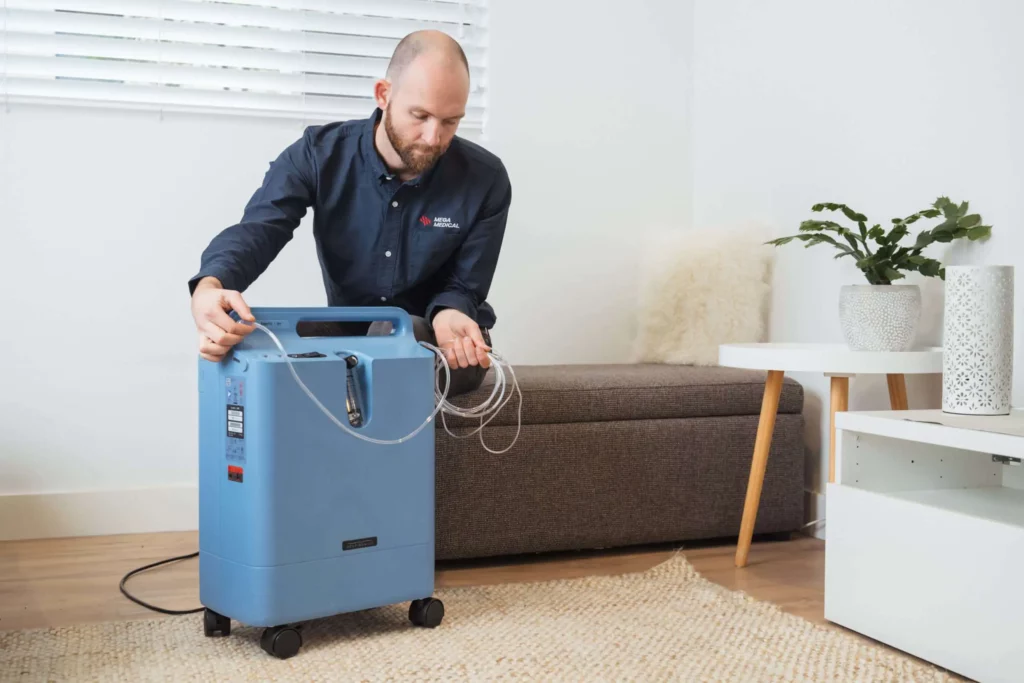
The oxygen concentrator Philips EverFlo is the primary stationary oxygen solution, delivering continuous oxygen flow from 0.5 to 5 liters per minute. This 14 kg unit maintains 90–96% oxygen purity across all flow rates and operates quietly at just 40 dB. Key features include:
• Energy-efficient 350-watt power consumption
• Built-in wheels and an integrated handle for easy room-to-room mobility
• Oxygen purity indicator with audible alerts if levels drop below 82%
• Reliable performance at altitudes up to 7,500 feet
• Backed by a 3-year warranty, FDA approval, and CE certification
SimplyGo and SimplyGo Mini: Portable Freedom
The SimplyGo and SimplyGo Mini represent Philips’ portable concentrator lineup, both utilizing pulse dose oxygen delivery systems. These battery-powered units feature rechargeable options and compact designs for travel convenience. The SimplyGo suits active users requiring supplemental oxygen during daily activities, while the SimplyGo Mini takes portability further with reduced size and weight, extended battery life, and optimized performance for frequent travelers.
How Does the Philips Respironics EverFlo Cater to Home Oxygen Needs?
The EverFlo delivers a continuous flow oxygen concentrator system that provides uninterrupted oxygen therapy throughout the day and night. This makes it ideal for patients who require consistent oxygen levels without fluctuation, particularly during sleep when breathing patterns naturally slow.
Precise Oxygen Dosages
The device operates across a flow rate range of 0.5 to 5 liters per minute (LPM), allowing healthcare providers to prescribe precise oxygen dosages tailored to individual patient needs. Whether you need minimal supplementation at 1 LPM or higher therapeutic levels at 5 LPM, the EverFlo adjusts accordingly.
Consistent Oxygen Purity
Oxygen purity remains consistently between 90-96% across all flow settings, meeting medical-grade standards for effective home oxygen therapy. The built-in purity indicator actively monitors oxygen concentration and triggers an alert if levels drop below 82%, ensuring you receive proper therapy at all times.
Quiet Operation
The EverFlo’s 40 dB noise level creates a quiet environment comparable to a library, allowing undisturbed rest during nighttime use. Its energy-efficient 350-watt power consumption reduces electricity costs while maintaining reliable performance.
Easy Mobility
At approximately 14 kg with integrated wheels and a handle, the unit moves easily between rooms despite being classified as stationary. This mobility within the home environment lets users maintain their daily routines without being confined to a single location.
Moreover, when comparing the oxygen concentrators vs oxygen cylinders, it’s clear that the EverFlo offers significant advantages such as consistent oxygen supply, ease of use, and cost-effectiveness in the long run.
Why the Philips SimplyGo is the Perfect Choice for Active Individuals
The SimplyGo portable concentrator delivers oxygen therapy without restricting your daily activities. This device weighs significantly less than stationary units and features a compact build that fits comfortably in a carrying bag or backpack, allowing users to maintain their independence while traveling, shopping, or engaging in social activities.
Intelligent Technology for Efficient Therapy Delivery
The pulse dose delivery system distinguishes this model from continuous flow devices by releasing oxygen only during inhalation. This intelligent technology conserves battery power and extends usage time between charges. The system detects your breathing pattern and delivers precise oxygen boluses at the moment you inhale, ensuring efficient therapy delivery.
Flexibility to Meet Your Oxygen Needs
Adjustable flow settings provide flexibility for varying oxygen requirements throughout the day. Users can modify settings based on activity levels—lower settings for rest periods and higher settings during physical exertion.
Power Options for Extended Use
The rechargeable battery system supports extended use away from power outlets, with options for:
- Standard battery packs for short trips
- Extended battery packs for all-day outings
- AC/DC power adapters for vehicle charging
- Multiple battery swapping for continuous operation
Easy Monitoring of Therapy Status
The device’s intuitive control panel displays battery life, flow settings, and system alerts, enabling users to monitor their therapy status at a glance. This combination of portability features and smart oxygen delivery makes the SimplyGo ideal for individuals who refuse to let oxygen therapy limit their lifestyle.
Why Is the Philips SimplyGo Mini Considered the Most Portable Option?
The SimplyGo Mini earns its reputation as the most portable option through significant size and weight reductions compared to its predecessor. While the standard SimplyGo serves active users well, the Mini takes portability to another level with its ultra-compact design that fits easily into bags and backpacks. The lightweight oxygen concentrator construction makes it effortless to carry throughout the day without causing shoulder strain or fatigue.
SimplyGo Mini features that distinguish it from the standard model include:
- Smaller footprint that doesn’t compromise on oxygen delivery
- Reduced weight for extended carrying comfort
- Streamlined controls for intuitive operation
- Discreet appearance that blends into daily activities
The optimized pulse dose system in the SimplyGo Mini delivers oxygen precisely when users inhale, maximizing efficiency while conserving battery power. This intelligent delivery method ensures users receive adequate oxygen therapy without the bulk of traditional systems. The extended battery life becomes particularly valuable during travel, allowing users to move freely through airports, attend events, or enjoy outdoor activities without constant recharging concerns.
The Mini’s design philosophy centers on removing barriers to active living. Users can maintain their oxygen therapy regimen while pursuing hobbies, visiting family, or managing professional commitments. The device’s compact nature means it never becomes an obstacle to spontaneous plans or daily routines.
How Do These Models Differ in Terms of Oxygen Delivery Methods and User Friendliness?
The oxygen delivery modes comparison reveals fundamental differences between Philips concentrators.
Oxygen Delivery Methods
- The EverFlo provides continuous flow oxygen, delivering a steady stream of oxygen regardless of your breathing pattern. This method ensures constant oxygen availability, making it ideal for users with higher oxygen demands or those who breathe through their mouth during sleep.
- The SimplyGo and SimplyGo Mini utilize pulse dose delivery, which releases oxygen only when you inhale. This continuous vs pulse dose oxygen therapy distinction affects both efficiency and battery life. Pulse dose systems detect your breath and deliver precise oxygen boluses, conserving power and extending portable use time.
Continuous Flow Advantages:
- Consistent oxygen supply during all breathing patterns
- Compatible with CPAP/BiPAP machines
- Suitable for users requiring higher flow rates
- Reliable for sleep therapy
Pulse Dose Benefits:
- Extended battery operation for portable units
- Lighter device weight due to smaller components
- Energy-efficient oxygen delivery
- Synchronized with natural breathing rhythm
User Friendliness
User friendliness varies by model design.
- The EverFlo features simple analog controls with clear oxygen purity indicators, requiring minimal technical knowledge.
- Portable models incorporate digital displays showing battery levels, flow settings, and system alerts.
- The SimplyGo offers both delivery modes, providing versatility for users transitioning between home and active environments.
What Essential Factors Should You Keep in Mind When Selecting a Philips Oxygen Concentrator?
Choosing oxygen concentrator options starts with evaluating your daily routine and mobility patterns. Stationary models like the EverFlo work best if you spend most of your time at home and need uninterrupted oxygen supply during rest or sleep. Portable units such as SimplyGo or SimplyGo Mini suit those who maintain active schedules, travel frequently, or require oxygen support during outdoor activities.
Your oxygen therapy requirements directly influence which model meets your medical needs. Consider these critical factors:
- Prescribed flow rate: Verify whether your doctor recommends continuous flow (measured in LPM) or pulse dose delivery
- Daily usage duration: Calculate how many hours you need oxygen support each day
- Activity level: Assess whether you need oxygen during exercise, walking, or only at rest
- Altitude considerations: Check if you live or travel to elevations above 7500 feet
User lifestyle needs extend beyond medical specifications. Battery life becomes essential for portable models if you spend extended periods away from electrical outlets. Weight capacity matters when carrying devices during errands or travel. Home space availability determines whether a 14 kg stationary unit fits your living environment. Insurance coverage and budget constraints also shape your decision, as portable concentrators typically cost more than stationary alternatives.
See Also : Aerobika Device Review: How It Supports Better Lung Hygiene and Function
How Energy Efficiency and Noise Levels Impact User Experience with Philips Oxygen Concentrators
Energy consumption and operational sound directly impact daily comfort and monthly expenses. The Philips Respironics EverFlo stands out as an energy-efficient oxygen concentrator, consuming just 350 watts—roughly equivalent to running three standard light bulbs. This translates to approximately $30-40 in annual electricity costs, compared to older models that can cost $100+ yearly.
Cost savings accumulate significantly over time:
- 3-year ownership: $90-120 in electricity costs
- 5-year ownership: $150-200 in electricity costs
- Traditional concentrators: $300-500+ over the same period
The EverFlo operates at 40 decibels, comparable to a quiet library or soft rainfall. This low noise medical device design allows users to:
- Watch television at normal volumes without interference
- Sleep undisturbed during nighttime therapy
- Maintain conversations without raising voices
- Place the unit in living spaces without disruption
Portable models like the SimplyGo and SimplyGo Mini prioritize battery efficiency over plug-in power consumption. Their rechargeable batteries support extended use between charges, reducing dependency on electrical outlets during travel. The compact designs minimize operational noise, though pulse dose delivery creates brief, intermittent sounds rather than the continuous hum of stationary units. You may like to visit https://www.energy.gov.au/solar/get-know-solar-technology/batteries to get more about batteries.
How Reliable Are Philips Oxygen Concentrators in Terms of Certifications and Warranties?
Philips oxygen concentrators meet rigorous international safety standards, holding both FDA approval and CE certification. These credentials verify that each device has undergone extensive testing for safety, performance, and quality before reaching consumers.
Understanding FDA Approval and CE Certification
FDA approved oxygen concentrators must demonstrate consistent oxygen delivery, electrical safety, and biocompatibility through clinical trials and laboratory testing. This approval process ensures the device meets strict U.S. medical device standards.
On the other hand, CE certified medical devices indicate compliance with European health, safety, and environmental protection requirements. This allows distribution across European markets while confirming adherence to international quality benchmarks.
The Importance of Warranty on Oxygen Concentrators
The warranty on concentrators reflects manufacturer confidence in product durability. Philips backs the EverFlo model with a 3-year warranty, covering defects in materials and workmanship. This extended coverage period provides users with financial protection against unexpected repairs and demonstrates the company’s commitment to long-term reliability.
Why Certifications Matter in Choosing Oxygen Therapy Equipment
These certifications serve as objective quality indicators when comparing oxygen therapy equipment. Users can trust that FDA and CE marks represent independent verification rather than manufacturer claims alone.
The combination of regulatory approval and substantial warranty coverage reduces the risk associated with investing in medical equipment. This is particularly important for individuals requiring daily oxygen therapy who depend on device consistency and performance.
Which Philips Oxygen Concentrator Would Be Most Suitable for You?
The best Philips oxygen concentrator choice depends on your unique oxygen therapy requirements and daily routine. Your healthcare provider should evaluate your prescribed flow rate, activity level, and mobility needs before recommending a specific model.
Personalized oxygen therapy solutions require professional assessment of several factors:
- Your prescribed oxygen flow rate and delivery method (continuous vs. pulse dose)
- Daily activity patterns and travel frequency
- Home environment and living space constraints
- Budget considerations including energy costs
The question of which Philips oxygen concentrator is right for you can only be answered through collaborative decision-making with your medical team. They’ll review your oxygen saturation levels, lifestyle requirements, and therapy goals to match you with the EverFlo, SimplyGo, or SimplyGo Mini that optimizes your treatment outcomes.