
Finding a high-quality CPAP mask in Australia shouldn’t mean draining your savings. As we move into 2026, the gap between “entry-level” and “premium” sleep apnea interfaces has narrowed significantly. Whether you are a pensioner on a fixed income, a new user testing the waters, or simply a savvy shopper, you can now access medical-grade seals and quiet-air technology without the $300 price tag.
This guide breaks down the top-performing budget CPAP masks available in the Australian market this year, focusing on reliability, comfort, and long-term value.
See more: The Ultimate CPAP Guide: Everything You Need to Know for Better Sleep
What Defines a Budget CPAP Mask in 2026?
In the Australian healthcare landscape, a “budget” CPAP mask typically refers to an interface priced between $100 and $170 AUD. While premium flagship models from major brands often debut at $280+, budget options provide the same clinical efficacy (therapy pressure delivery) by focusing on essential features rather than experimental luxury materials.
There are two primary ways to secure a value-driven mask:
- Value-First Brands: Manufacturers like BMC Medical focus on high-volume, low-margin products that mirror the fit of expensive competitors.
- Legacy/Discontinued Models: Proven performers from market leaders like ResMed or Fisher & Paykel that have been superseded by newer versions but remain clinically excellent and widely available at clearance prices.
Top 5 Budget CPAP Masks for Australians in 2026
The following models have been selected based on their Australian TGA registration, local availability, and user feedback regarding seal integrity.
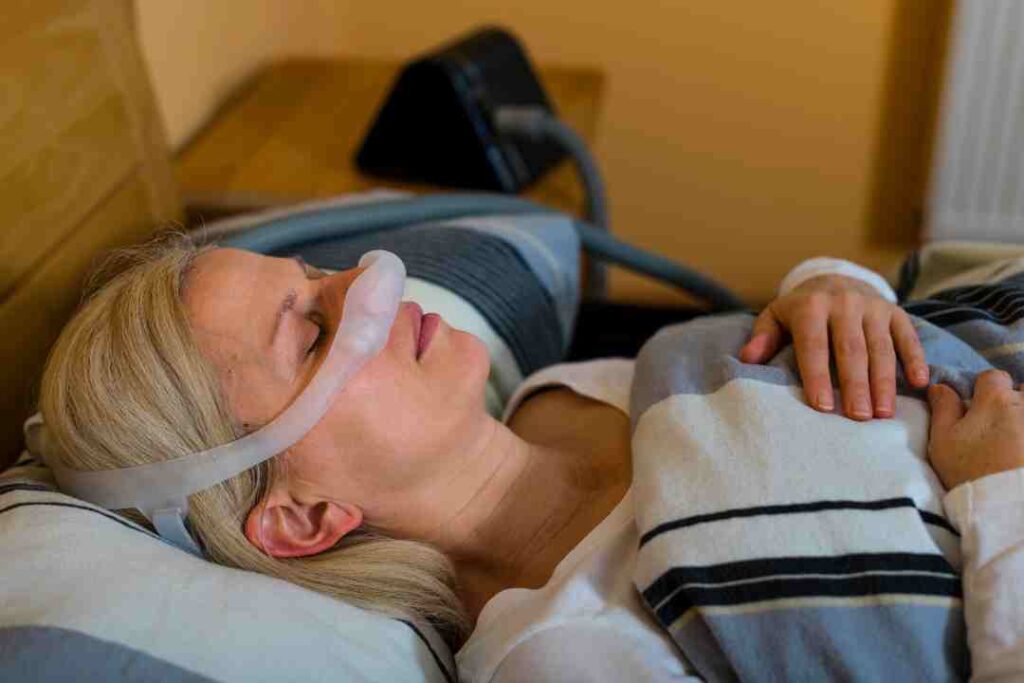
1. BMC P2 Nasal Pillow Mask
Estimated Price: $105 – $125 AUD The BMC P2 is widely considered the “budget king” in Australia. It is an ultra-minimalist nasal pillow system designed for those who find full-face masks claustrophobic.
- Why it’s a winner: It includes three cushion sizes (S, M, L) in the box, ensuring you don’t waste money on the wrong fit.
- Best for: Side sleepers and active sleepers who want a lightweight feel.
2. ResMed AirFit P10 (Legacy Pricing)
Estimated Price: $160 – $169 AUD (On Sale) While newer “i” versions (top-of-head tube) exist, the original AirFit P10 remains a gold standard for quietness. As a legacy model in 2026, it is frequently discounted by Australian suppliers.
- Why it’s a winner: It features “QuietAir” woven-mesh venting, making it one of the quietest masks ever made.
- Best for: Light sleepers and partners sensitive to exhaust noise.
3. Fisher & Paykel Simplus Full Face Mask
Estimated Price: $145 – $165 AUD For those who breathe through their mouth, finding a budget full-face mask is difficult. The Simplus has stood the test of time, offering a “RollFit” seal that adjusts naturally to movement.
- Why it’s a winner: Extremely durable frame and easy-to-clear headgear clips.
- Best for: High-pressure users and mouth breathers.
4. BMC F6 Full Face Mask
Estimated Price: $115 – $135 AUD The F6 is BMC’s answer to modern under-the-nose full-face designs. It eliminates the forehead support, reducing red marks and allowing you to wear glasses before bed.
- Why it’s a winner: Offers a modern, unobstructed field of vision at less than half the price of premium competitors.
- Best for: Users who want to read or watch TV in bed.
5. Philips DreamWear Nasal (Clearance)
Estimated Price: $140 – $155 AUD With the 2026 market shifting, the original DreamWear series is often available at significant “FitPack” discounts. Its unique top-of-head tube connection is a premium feature now available at a budget price point.
The Benefits of Choosing Value-Focused Interfaces
Choosing a budget mask isn’t just about the initial transaction; it’s a strategic move for long-term CPAP compliance.
- Lower Replacement Costs: CPAP cushions should be replaced every 3–6 months. Replacing a $40 BMC cushion is far more sustainable than a $90 premium silicone seal.
- Affordable Backups: Having a “backup” mask is critical. Budget prices allow you to keep a spare in your travel bag or bedside drawer for emergencies.
- Lower Financial Risk: For new patients, the first mask is often a “trial.” Investing $110 instead of $300 makes the adjustment period less stressful.
How to Maximize Your Savings in Australia
Beyond the sticker price, there are several ways to reduce the cost of your CPAP supplies in the Australian market:
Private Health Insurance Rebates
Most Australian private health funds (Bupa, Medibank, HCF, etc.) cover CPAP masks under “Extras” or “Health Management.” Depending on your level of cover, you may receive a rebate of $50 to $150 per year. A $120 BMC mask could effectively cost you $0 out-of-pocket after your claim.
Essential Medical Equipment Payment (EMEP)
If you hold a Commonwealth Concession Card and use a CPAP machine at home, you may be eligible for the EMEP—an annual payment from the Australian Government to help cover the electricity costs of running medical equipment.
Buy “Fit Packs”
Instead of buying a single size, look for “Fit Packs” (which include Small, Medium, and Large cushions). For budget-conscious users, this eliminates the risk of buying the wrong size and having to purchase a second mask.
Common Mistakes When Buying Cheap CPAP Masks
- Ignoring TGA Approval: Never buy unbranded masks from international marketplaces (like AliExpress). These lack Australian Therapeutic Goods Administration (TGA) oversight and may use unsafe plastics or have poor CO2 venting.
- Over-tightening: Budget masks often have slightly firmer silicone. Users often over-tighten them to stop leaks, which actually breaks the seal and causes skin irritation.
- Using Harsh Chemicals: To extend the life of a budget mask, avoid dish soap with scents or antibacterial agents. Use a dedicated CPAP wipe or plain Ivory soap to prevent the silicone from breaking down prematurely.
FAQ: Budget CPAP Masks in Australia
Q: Are budget CPAP masks as safe as expensive ones? A: Yes, provided they are TGA-approved. In Australia, any mask sold by a reputable supplier must meet strict safety standards for CO2 “washout” (venting).
Q: Will a BMC mask work with my ResMed or Philips machine? A: Absolutely. CPAP hoses and masks use a universal 22mm connection. You can “mix and match” any brand of mask with any brand of machine.
Q: Does Medicare cover the cost of CPAP masks? A: Generally, no. Medicare funds the diagnostic sleep study and specialist consultations, but the equipment is typically an out-of-pocket expense or covered by private health insurance.
Q: How often should I replace a budget mask? A: The lifespan is similar to premium masks. The headgear should last 6–12 months, while the silicone cushion should be replaced every 3–6 months for hygiene and seal integrity.
Q: Why is the BMC brand so much cheaper? A: BMC (3B Medical) focuses on high-volume manufacturing and spends less on global marketing and proprietary “luxury” features (like magnetic clips or memory foam), passing those savings to the consumer.
Conclusion: Value is the New Premium
In 2026, the best budget CPAP masks are those that provide a consistent seal and allow you to sleep through the night without discomfort. Brands like BMC have proven that you don’t need to spend $300 to get a quiet, effective, and TGA-approved interface. By choosing older, reliable models or value-first brands, Australian sleepers can maintain their health without financial strain.