

What Is the Aerobika Device and How Does It Work?
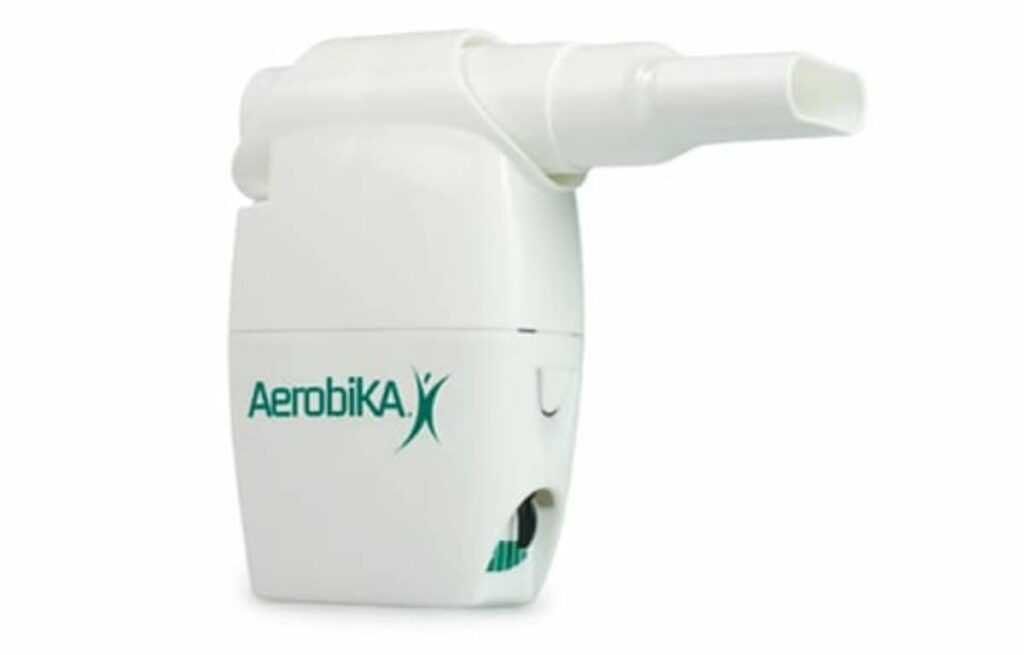
The Aerobika device is a handheld respiratory therapy tool designed to help clear mucus from the lungs and improve breathing. This portable device serves as a non-invasive solution for individuals struggling with excess or thickened mucus in their airways.
How Does the Aerobika Device Work?
As an Oscillating Positive Expiratory Pressure (OPEP) device, the Aerobika creates resistance during exhalation while simultaneously generating vibrations throughout the respiratory system. The device requires no external power source or batteries, relying instead on the user’s own breath to activate its therapeutic mechanisms.
The Two Forces Behind the Aerobika’s Mechanism
The Aerobika’s dual-action mechanism works through two complementary forces:
- Positive expiratory pressure (PEP): Creates back-pressure in the airways during exhalation, helping to keep airways open and prevent collapse
- Oscillations: Generate rapid vibrations that travel through the bronchial tubes, mechanically shaking mucus loose from airway walls
The Process of Using the Aerobika Device
When a person exhales through the Aerobika device, the internal valve creates controlled resistance while producing rhythmic pressure fluctuations. These oscillations typically occur at frequencies between 12-40 Hz, depending on the user’s exhalation flow rate. The vibrations penetrate deep into the lung tissue, reaching even smaller airways where mucus tends to accumulate.
This mechanical action addresses mucus at a molecular level by reducing its viscoelasticity—the sticky, gel-like properties that make secretions difficult to clear. The oscillating pressure waves break up the cross-linked mucus structure, transforming thick, adherent secretions into thinner, more mobile fluid. Once loosened from airway walls, the mucus can be more easily moved upward through the respiratory tract and expelled through coughing or swallowing.
Benefits of Using the Aerobika Device
The Aerobika device review demonstrates how this simple mechanical approach provides an effective, drug-free method for maintaining lung hygiene. Many versions include an integrated manometer—a pressure gauge that helps users maintain optimal resistance levels during therapy sessions.
Which Respiratory Conditions Benefit from Using the Aerobika Device?
The Aerobika device primarily benefits patients with chronic lung conditions that produce excessive or abnormally thick mucus. These conditions create a cycle where impaired clearance leads to airway obstruction, inflammation, and increased infection susceptibility.
1. Cystic fibrosis
Cystic fibrosis, a genetic disorder that produces extremely viscous mucus throughout the respiratory tract, can significantly benefit from the use of the Aerobika device. This thick secretion blocks airways and creates breeding grounds for bacterial infections, progressively damaging lung tissue. For more detailed information about this condition, you can visit the Cystic Fibrosis Foundation’s website.
2. Bronchiectasis
Bronchiectasis involves permanent widening and scarring of airways, resulting in mucus pooling in damaged bronchial tubes. The structural damage prevents normal clearance mechanisms from functioning effectively.
3. COPD
COPD encompasses chronic bronchitis and emphysema, both producing excess mucus while simultaneously damaging the cilia responsible for moving secretions upward. Patients experience persistent productive cough and breathing difficulties.
4. Non-tuberculous mycobacterial lung disease
Non-tuberculous mycobacterial lung disease creates thick, tenacious mucus that harbors slow-growing bacteria resistant to standard antibiotics. Effective mucus clearance becomes critical for managing bacterial load and preventing disease progression.
Each condition compromises the natural mucociliary escalator—the coordinated movement of cilia and mucus that normally clears airways. The Aerobika device addresses this impairment by mechanically breaking up mucus and facilitating its removal, helping patients maintain clearer airways between medical appointments and reducing the frequency of respiratory infections that accelerate lung damage.
How Does the Aerobika Device Support Better Lung Hygiene?
Why is mucus clearance essential for respiratory health?
Mucus serves as the lungs’ first line of defense, trapping inhaled particles, bacteria, and irritants before they reach deeper airways. When mucociliary clearance becomes impaired, this protective mechanism backfires—stagnant mucus creates an ideal breeding ground for bacterial colonization, triggers chronic inflammation, and progressively narrows airways. Patients experience recurring respiratory infections, persistent coughing, and declining lung capacity.
How does oscillating PEP technology improve airway hygiene?
The Aerobika device addresses these complications through its dual-action mechanism. During exhalation through the device, positive expiratory pressure keeps smaller airways open that would otherwise collapse, while simultaneous oscillations create vibrations throughout the bronchial tree. These vibrations mechanically disrupt the mucus layer adhering to airway walls, reducing its viscosity and breaking up thick secretions into smaller, more manageable pieces.
What makes this approach effective for infection prevention?
By facilitating expectoration, the device helps patients actively remove contaminated mucus before bacterial loads reach critical levels. Regular use maintains patent airways, allowing better air distribution to lung tissue and reducing stagnant pockets where pathogens thrive. This consistent mucus clearance creates an inhospitable environment for infection while supporting the natural mucociliary escalator function. The mechanical assistance proves particularly valuable when the body’s natural clearance mechanisms are compromised by disease.
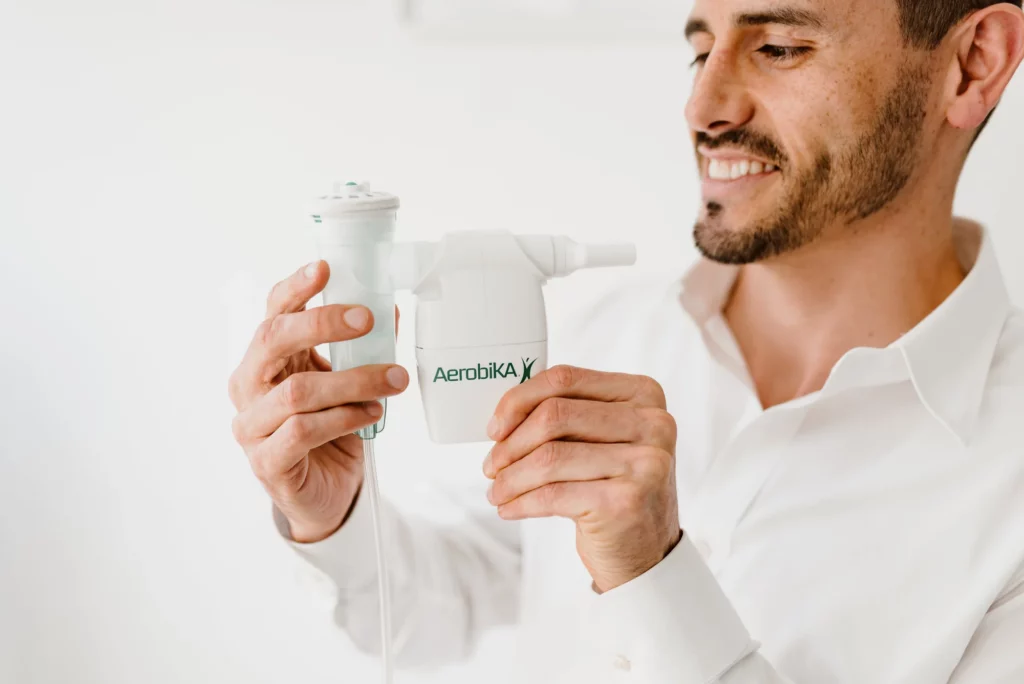
What Are the Instructions for Using the Aerobika Device?
The standard instructions for using the Aerobika device follow a structured breathing technique designed to maximize mucus mobilization. Patients begin by sitting upright with the device held level, then take a deep breath in through the nose to fill the lungs completely.
The key step involves exhaling actively through the device for 3-4 seconds, creating resistance that generates the therapeutic oscillations. This prolonged exhalation against resistance allows the pressure waves to penetrate deep into the airways where mucus accumulates.
A typical session includes:
- 10-20 breaths through the device
- 1-2 second breath hold after inhalation (optional)
- Active exhalation lasting 3-4 seconds per breath
- 2-3 sessions performed daily or as prescribed
After completing the breathing cycles, patients perform huff coughing—a forced exhalation technique with an open glottis that sounds like fogging a mirror. This method effectively clears loosened secretions from the airways without the fatigue associated with traditional coughing. Some devices include a manometer attachment to help patients maintain optimal pressure ranges during exhalation.
How Does the Aerobika Device Compare to Other Airway Clearance Techniques?
Airway clearance techniques (ACTs) are various methods used to move and remove excess mucus from the airways. The Aerobika device is one of these methods, but there are other options available for patients with chronic lung conditions.
Traditional Manual Techniques
Some common manual techniques include:
- Chest physiotherapy (CPT): This involves physically manipulating the chest wall through tapping and shaking movements.
- Postural drainage: This technique uses gravity-assisted positions to help drain mucus from specific parts of the lungs.
- Manual percussion: This method involves rhythmic clapping on the chest wall done by a caregiver or therapist.
- Vibration therapy: In this technique, high-frequency vibrations are applied externally to the chest.
Key Difference: Independence and Consistency
The main difference between Aerobika and manual techniques is independence and consistency. Manual methods usually require a trained caregiver or respiratory therapist, making them less practical for everyday use at home. With Aerobika, patients can do the treatment on their own without any help, ensuring that they receive the same pressure with each session.
Limitations of Manual Techniques
While manual techniques can effectively move mucus, they require a lot of time, physical effort, and coordination between the patient and caregiver. This may not always be feasible for individuals with limited mobility or those who rely on others for assistance.
Standardized Therapy Delivery with Aerobika
On the other hand, Aerobika provides consistent mechanical oscillations regardless of how the user performs the technique. This means that even if there are variations in how different individuals use it, they will still receive reliable therapy every time.
Combining Approaches for Comprehensive Airway Clearance
Some patients find it beneficial to combine both methods—using Aerobika as their primary maintenance therapy while incorporating manual techniques during flare-ups or clinical visits when more intensive airway clearance is needed. You may like to visit https://firststoppainrelief.com/philips-oxygen-concentrator-options-compared-which-one-is-right-for-you/ to get more about Philips Oxygen Concentrator Options Compared: Which One Is Right for You?
What Evidence Supports the Effectiveness of the Aerobika Device?
Clinical studies demonstrate measurable improvements in respiratory outcomes for patients using the Aerobika device. Research consistently shows enhanced sputum clearance rates when OPEP therapy is incorporated into daily respiratory care routines.
A study examining patients with COPD found that those using the Aerobika device experienced significant increases in mucus expectoration volume compared to standard care alone. The oscillating pressure mechanism proved particularly effective at mobilizing secretions from peripheral airways that traditional coughing struggles to reach.
Bronchiectasis patients in controlled trials reported reduced exacerbation frequency after six months of regular Aerobika use. The device’s ability to maintain airway patency translated into fewer hospitalizations and decreased antibiotic requirements across study populations.
Long-term outcomes reveal sustained benefits beyond immediate mucus clearance:
- Spirometry measurements showed stabilized or improved FEV1 values in patients maintaining consistent OPEP therapy protocols
- Quality of life assessments indicated reduced dyspnea and increased exercise tolerance
- Cystic fibrosis patients demonstrated slower decline in lung function metrics over multi-year observation periods
Research involving NTM-LD patients highlighted the device’s role in preventing mucus plugging, a critical factor in managing this challenging condition. The mechanical disruption of biofilms within mucus layers may contribute to better antimicrobial penetration, though this mechanism requires further investigation through dedicated clinical studies.
Why Is the Aerobika Device Considered a Valuable Tool for Respiratory Health Maintenance?
The Aerobika device offers practical advantages that make it an essential component of respiratory care. As a portable device, it weighs minimal ounces and fits easily into bags or pockets, enabling patients to maintain their airway clearance routine anywhere—at home, work, or while traveling.
Key benefits include:
- Independence from clinical settings: Patients can perform therapy sessions without requiring healthcare professionals or specialized equipment
- Cost-effectiveness: One-time purchase eliminates recurring expenses associated with frequent physiotherapy appointments
- Flexibility in scheduling: Users control timing and frequency of sessions based on their mucus production patterns
The device functions as a complementary tool that enhances rather than replaces medication regimens. While bronchodilators, mucolytics, and antibiotics address chemical and biological aspects of lung disease, the Aerobika provides mechanical clearance that medications alone cannot achieve. This dual approach—combining pharmacological treatments with physical airway clearance—creates a comprehensive strategy for managing chronic respiratory conditions and maintaining optimal lung hygiene throughout daily life.